
With the rise of fast food culture, french fries have become a popular staple in people’s diets. However, the French fries commonly found in restaurants and supermarkets are mostly factory-produced, frozen french fries. Compared to freshly cut and fried potatoes, frozen french fries not only preserve the fresh taste of the potatoes but also significantly increase the convenience of processing and consumption. So, how are frozen french fries made?
Frozen french fries are made through a meticulous process starting with selecting high-starch potatoes, followed by cleaning, peeling, cutting, blanching, pre-frying, quick freezing, and packaging. This ensures crispiness, golden color, and long shelf life for easy use in homes and restaurants.
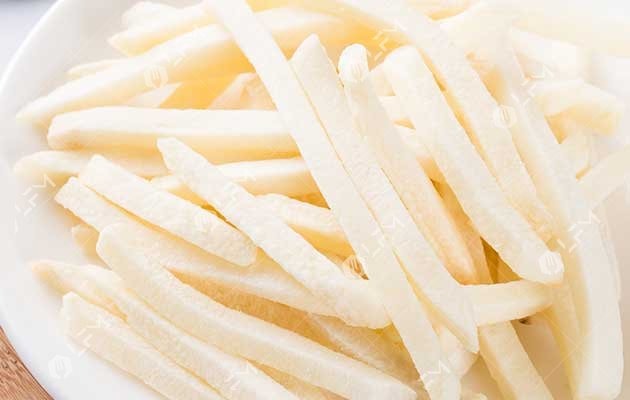
Ever wondered why those frozen fries from the store taste just as good as restaurant ones? Let’s dive into the step-by-step production process and uncover the secrets behind their convenience and quality, plus key tips to get it right.
Producing frozen french fries seems straightforward, but one wrong step can ruin the batch—leading to soggy, uneven fries that nobody wants.
When producing frozen french fries, focus on uniform cutting for even cooking, precise control of blanching and pre-frying temperatures to maintain texture and nutrients, and rapid freezing to preserve quality without large ice crystals.
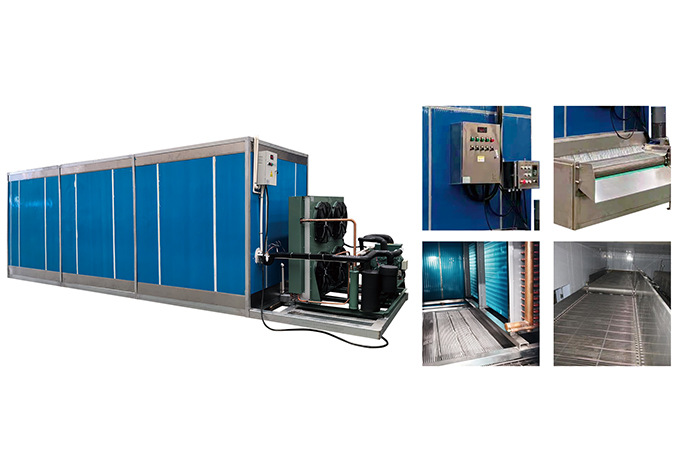
To truly grasp what to keep in mind when producing frozen french fries, we need to critically examine the process beyond surface-level steps. While the core production—selecting potatoes, cleaning, cutting, blanching, pre-frying, freezing, and packaging—forms the backbone, inconsistencies here can lead to subpar products that fail to meet consumer expectations. Let’s break this down using a structured approach, highlighting potential pitfalls and best practices. This deeper dive will help producers optimize efficiency, reduce waste, and ensure consistent quality.
Uniformity in cutting is non-negotiable because french fries must be cut to consistent sizes to ensure even heating during final frying. If sizes vary, some fries will overcook and become too crispy or burnt, while others remain underdone and soggy. This not only affects taste and appearance but also impacts customer satisfaction in fast-paced environments like restaurants.
Critically, overlooking this can stem from using outdated slicers or poor maintenance, leading to higher rejection rates. To mitigate, producers should invest in automated, adjustable slicers that handle different market demands, such as standard 1/4-inch cuts for classic fries or thicker wedges for premium varieties.
| Aspect | Importance | Common Pitfalls | Solutions |
| Size Consistency | Ensures uniform frying and texture | Manual cutting errors; machine wear | Use calibrated automated slicers; regular calibration checks |
| Shape Uniformity | Prevents breakage during freezing | Dull blades; variable potato sizes | Select uniform potatoes; blade sharpening schedules |
| Yield Optimization | Maximizes output from raw materials | Waste from irregular cuts | Pre-sort potatoes by size; recycle scraps for other products |
Blanching in hot water removes excess starch to prevent sticking and inactivates enzymes to avoid discoloration, but getting the temperature and time right is crucial. Too high or prolonged blanching softens the fries excessively, leaching out nutrients and leading to mushy results post-freezing. Conversely, insufficient blanching fails to preserve color and shape, resulting in oxidized, grayish fries.
Pre-frying follows to create a crispy crust and solidify structure, but overdoing it makes fries too hard after reheating. This step enhances flavor but requires precision—typically 3-5 minutes at 160-175°C—to avoid oil absorption issues that compromise health appeal.
From a critical perspective, temperature fluctuations often arise from inconsistent water quality or fryer inefficiencies, exacerbating costs in energy and rework. Producers must monitor with sensors and adhere to standards like those from the USDA for food safety.
| Step | Ideal Parameters | Risks of Imbalance | Mitigation Strategies |
| Blanching | 70-85°C for 1-2 minutes | Over-softening or incomplete enzyme deactivation | Automated temperature controls; water quality testing |
| Pre-Frying | 160-175°C for 30-60 seconds | Excessive hardness or sogginess | Oil filtration systems; batch size optimization |
| Nutrient Retention | Monitor pH and starch levels | Loss of vitamins during over-processing | Add antioxidants; shorter cycles for premium lines |
Integrating these elements requires a holistic view: rapid freezing at -35°C to -40°C post-pre-frying prevents large ice crystals that damage cell structure, preserving the fries’ fresh-like texture. Packaging must be airtight to avoid freezer burn during storage and transport.
Critically, many failures trace back to siloed operations—e.g., cutting not aligned with freezing capacity—leading to bottlenecks. A lean manufacturing approach, with real-time quality checks like moisture content testing (aiming for 70-80% before freezing), can streamline this. Ultimately, adhering to these mindsets not only boosts product reliability but also positions producers competitively in a market demanding convenience without sacrificing taste.
By focusing on these details, frozen french fries can maintain their appeal as a convenient, high-quality staple.


