
Ever munched on potato chips and wondered about the hidden flaws in mass production? It’s frustrating when they’re greasy or unevenly flavored.
Potato chips are processed from fresh potatoes through cleaning, peeling, slicing, blanching, frying, and flavoring, ensuring crispiness and nutrition retention for a tasty snack.
But that’s just the surface—dive deeper to uncover the full journey from tuber to treat and optimize your snacking knowledge.
Struggling with bland snacks that lack nutrition? Potatoes offer a powerhouse alternative, but poor processing can ruin their potential.
Potatoes are nutrient-rich with starch, proteins, vitamins, and low fat, making them perfect for chips that are crispy, flavorful, and healthier than grains like wheat or rice.
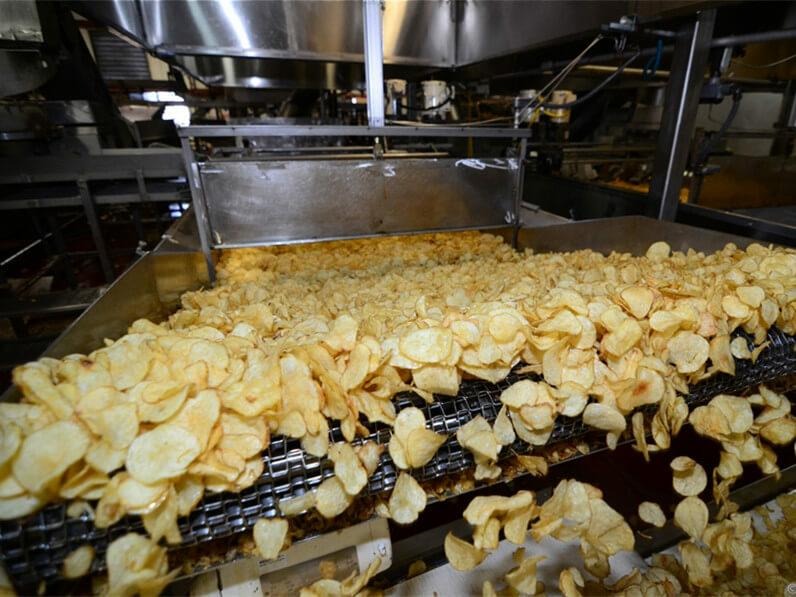
To truly appreciate potatoes, let’s break down their value critically. While they’re hailed as low-calorie, high-protein foods, not all varieties suit chipping—high dry matter content is key to avoid sogginess.
Using a comparative lens, potatoes outshine cereals in vitamins and minerals but lag in calories per serving. This makes them versatile, yet industrial use demands scrutiny on yield and adaptability.
| Nutrient | Potatoes (per 100g) | Wheat (per 100g) | Rice (per 100g) | Maize (per 100g) |
| Calories | 77 | 364 | 130 | 86 |
| Protein | 2 g | 12 g | 2.7 g | 3.3 g |
| Fat | 0.1 g | 1.5 g | 0.3 g | 1.4 g |
| Vitamins (C) | 19.7 mg | 0 mg | 0 mg | 6.8 mg |
| Minerals (Potassium) | 421 mg | 363 mg | 35 mg | 270 mg |
Critically, potato chips aren’t just fried slices—they’re engineered for convenience. Traditional methods lose nutrients, but modern frying preserves them better. However, over-frying risks acrylamide formation, a potential health concern overlooked in basic overviews.
High-temperature, short-time frying dehydrates quickly, enhancing flavor via oil as a medium. Yet, this raises questions: Is palm oil’s stability worth its environmental cost? Adding nutrients during processing improves value, but additives like flavors can mask natural benefits, demanding consumer awareness.
In essence, understanding potatoes’ role reveals why chips are popular: affordability, nutrition, and appeal across ages. But critically, sustainability in sourcing and processing is vital to mitigate drawbacks like high oil content.
Tired of mystery in your food’s journey? Uneven chips from flawed processes disappoint, amplifying waste and inconsistency.
The potato chips line involves 13 steps: selection, cleaning, peeling, trimming, slicing, blanching, color protecting, dehydrating, frying, de-oiling, flavoring, cooling, and packaging for optimal quality.
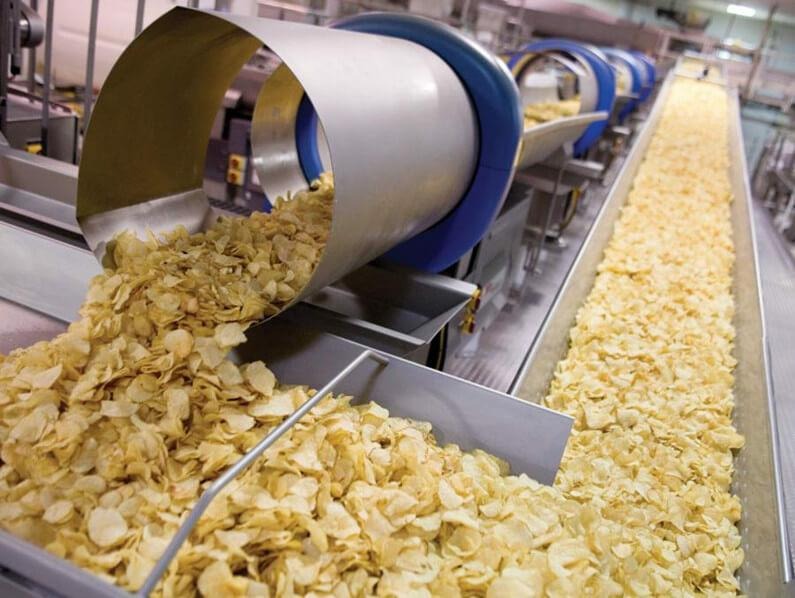
Delving deeper, this flowchart isn’t linear—each step interlinks, where errors cascade. Critically, timing in peeling (3-8min) prevents excess loss, but mechanization risks over-peeling if not monitored.
Blanching prevents browning, but additives like sodium metabisulfite raise safety debates. Frying at 180-200°C with palm oil ensures stability, yet alternatives like sunflower oil could reduce saturated fats.
| Step | Equipment | Key Parameters | Potential Issues |
| Cleaning | Roll cage washer | Remove dirt | Incomplete removal leads to grit |
| Peeling | Friction peeler | 3-8min, 30-40kg/load | Over-peeling increases waste |
| Slicing | Slicer | 1-2mm thickness | Uneven slices affect frying uniformity |
| Frying | Continuous fryer | 180-200°C, 2min | High temp risks oil degradation |
| Packaging | Vacuum sealer | Nitrogen fill | Poor sealing shortens shelf life |
From a critique standpoint, uniform feeding in slicing ensures consistency, but blanching’s 1-2min window is tight—overdoing it softens texture. De-oiling extends shelf life, yet flavoring varieties (e.g., spicy) can introduce allergens, overlooked in standard lines. Overall, this process balances speed and quality, but sustainability tweaks like water recycling in cleaning could enhance eco-friendliness.
Confused by ingredient lists on chip bags? Hidden sugars and oils can sabotage health goals, demanding transparency in methods.
Materials include Shanxi potatoes, palm oil, antioxidants, sodium metabisulfite, and seasonings; methods focus on selecting low-sugar potatoes to prevent browning and optimize yield.
Critically, high reducing sugar causes browning via Maillard reaction, yet storage at low temps converts starch to sugar— a double-edged sword. Testing each batch is essential, but variability from weather challenges consistency.
Harvest timing minimizes sugar, but planting methods vary density. A 0.1005 density increase boosts yield by 1%, per experiments, highlighting precision’s role.
| Factor | Impact on Quality | Mitigation Strategy |
| Variety | Sugar levels | Choose low-sugar types |
| Storage | Starch-to-sugar conversion | Avoid low temps long-term |
| Density | Yield and oil content | Test relative density |
| Harvest Time | Initial sugar content | Harvest early |
Key tools like washers and slicers ensure efficiency, but reliance on additives for color protection (e.g., metabisulfite) sparks debate on natural alternatives. Critically, methods prioritize density for reduced oil, yet ignore broader nutritional enhancements.
In summary, materials and methods intertwine to combat issues like discoloration, but evolving standards could favor organic options for better health alignment.
Overwhelmed by tech in food processing? Outdated equipment yields subpar chips, wasting resources and flavor potential.
Equipment includes peelers, slicers, blanchers, fryers, and flavorers; parameters: >20% dry matter, 1-2mm slices, 80-90°C blanching (1min), 180-190°C frying (1-2min).
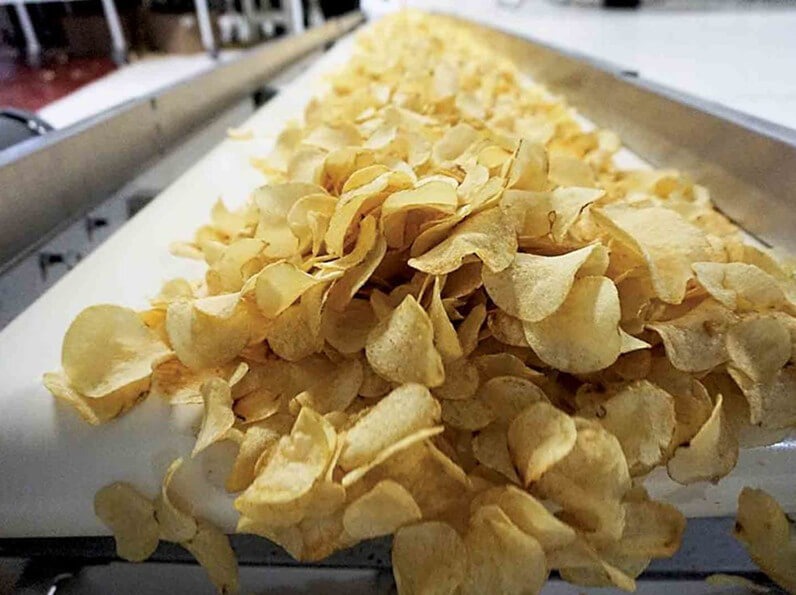
Peelers achieve 98% efficiency with soft brushes, but maintenance is key to avoid downtime. Slicers enable wave cuts, yet blade sharpness critically affects uniformity.
Fryers feature external heating and filters, prolonging oil life, but exhaust systems prevent rancidity—often underappreciated.
| Equipment | Features | Benefits | Drawbacks |
| Peeling Machine | Soft brush, 98% rate | Efficient, labor-saving | Needs regular cleaning |
| Slicing Machine | Continuous, variable cuts | Versatile shapes | Blade wear affects precision |
| Frying Machine | Stainless steel, temp control | Uniform frying, long oil lif | High energy use |
| Flavoring Machine | Seasoning applicator | Custom flavors | Potential cross-contamination |
Critically, 1-2mm thickness balances crispiness and oil absorption—thinner slices hike oil content. Blanching at 80-90°C inactivates enzymes, but exceeding time risks nutrient loss. Frying parameters prevent caramelization, yet antioxidants like BHA (≤0.12/kg) extend usability, raising additive concerns.
Overall, equipment and params ensure quality, but innovation in energy-efficient designs could address environmental critiques.
Ignoring production pitfalls? Browning and high oil ruin enjoyment, stemming from overlooked material and process flaws.
Analysis reveals raw material selection, blanching, and frying critically influence color, oil content, and quality, with additives enhancing protection.
High starch, low sugar (<1%) prevents discoloration, but rinsing isolates starch—vital yet water-intensive. Critically, varietal differences demand batch testing, as weather impacts density.
Enzymatic (VC oxidation) and non-enzymatic (Maillard) browning divide issues; blanching inactivates enzymes, expelling air to avoid blisters.
| Browning Type | Cause | Prevention Method |
| Enzymatic | Enzyme activity | Blanching at 80-100°C |
| Oxidative | VC/tannins exposure | Rinsing, oxygen cutoff |
| Maillard | Sugars + amino acids | Low-sugar materials |
Low-temp frying increases oil via slow dehydration, critiqued for health; high-temp (180-190°C) shortens time but risks acid formation. Density inversely affects oil—higher means lower absorption. Additives like bisulfite improve color, but natural alternatives merit exploration for clean-label trends.
In depth, analysis underscores process interplay: optimal params yield bright, low-oil chips, but sustainability in oil choice (palm’s stability vs. ethics) needs balancing.
Potato chips transform nutrient-rich tubers through precise processing steps, equipment, and parameters to deliver crispy, flavorful snacks. By selecting quality materials and optimizing frying, producers minimize issues like browning and high oil, ensuring enjoyable, nutritious results for all.


